
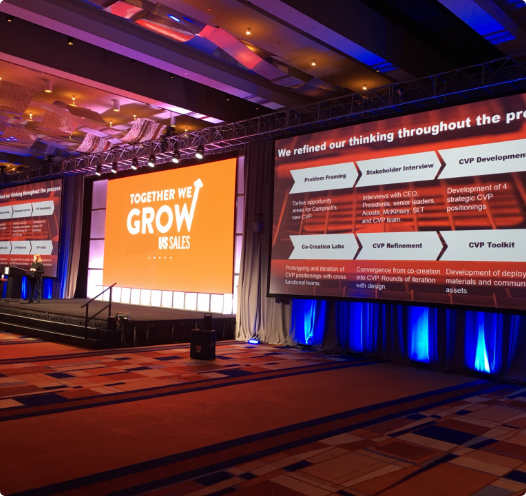
Designing the Stage Around the LED Wall: How to Use Visual Power Without Overpowering Your Event
Introduction
LED walls are visually stunning, no doubt. But if they’re not integrated thoughtfully, they can dominate the room, compete with speakers, or feel like a tech gimmick rather than a cohesive part of the experience.
At Showorks Audio-Visual, we work with clients not just to install LED walls—but to help them design around them. From award ceremonies to corporate galas, here’s what we’ve learned about using LED walls as an intentional, balanced part of stage design—not the whole show.
1. Know the Purpose of the LED Wall Before You Size It
The biggest mistake we see? People start with screen size before they decide what it’s for.
- Is the wall meant to support speakers with branding or ambient visuals?
- Will it be used for video playback or IMAG (live camera feeds)?
- Or is it the main entertainment backdrop, like for a concert or awards show reveal?
The answer dramatically affects where we place it, how large it should be, and whether it needs to be split, layered, or flanked by other visual elements.
Sometimes a wider screen works better than a taller one. Sometimes two modest screens serve the space better than one giant one.
2. Treat It Like a Scenic Element—Not a TV
An LED wall shouldn’t feel like a tech object slapped onto the stage—it should feel integrated, like part of the visual identity of the event.
We often recommend:
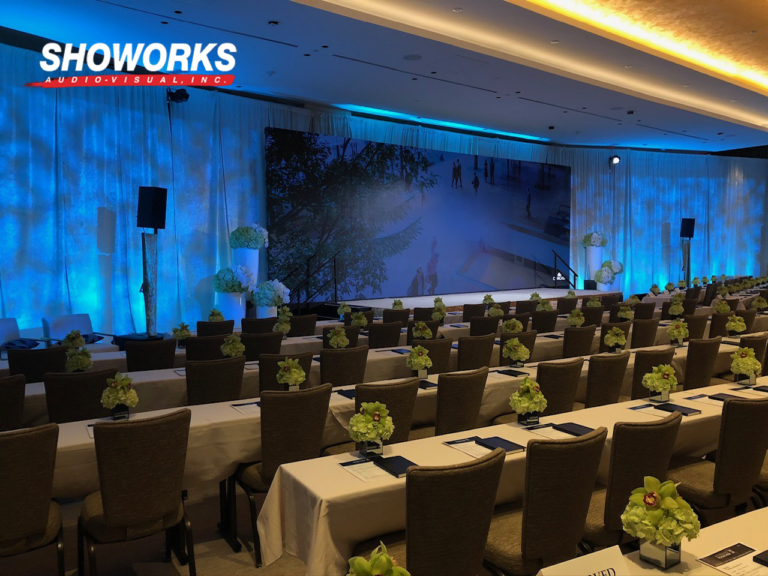
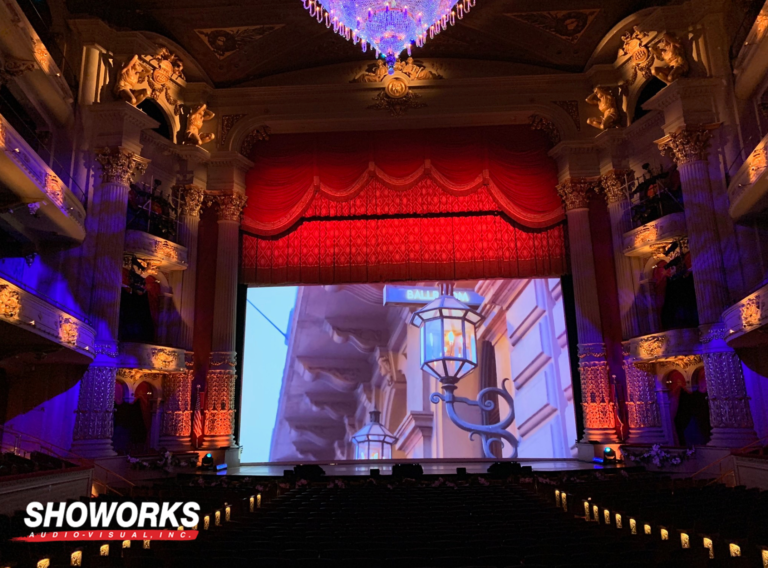
- Framing the wall with soft goods, lighting trusses, or scenic panels so it looks “built-in,” not floating.
- Layering lighting effects in front of or around the wall to create depth.
- Matching the wall’s color tones with stage wash lighting for visual cohesion.
Done right, it feels architectural—not just digital.
3. Use Negative Space to Let the Wall Breathe
One of the most overlooked tools in LED wall stage design is… space. Just because you can fill the entire wall with visuals 100% of the time doesn’t mean you should.
We help clients:
- Use motion sparingly so the screen supports—not distracts—from live content.
- Design visuals with blank space or soft textures during speeches or slow transitions.
- Fade to dark or minimal content when the moment calls for it—like during a serious keynote or emotional segment.
In live environments, what’s not on the screen is just as powerful as what is.
4. Don’t Let the Wall Compete with Your People
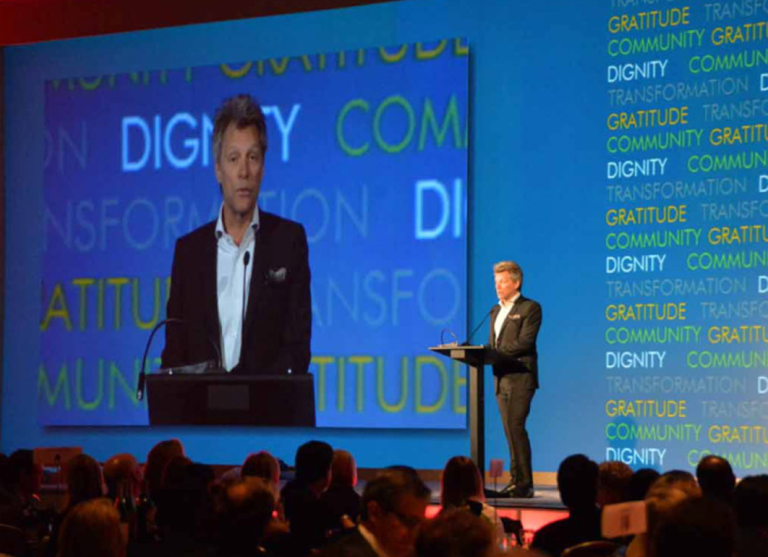
Award winners, speakers, and performers are the heart of any event. A wall that flashes, changes, or moves too much behind them can steal their spotlight—literally.
We always test:
- Sightlines: making sure the wall doesn’t obscure or distract from key on-stage talent.
- Contrast levels: so subjects aren’t washed out by brightness or clashing colors.
- Cue timing: so nothing shifts on-screen mid-sentence or during applause.
Think of the LED wall as your supporting actor, not the lead. It should enhance the moment—not upstage it.
5. Match Screen Energy to Event Energy
Here’s something we always tell clients: Your screen shouldn’t be more excited than your room.
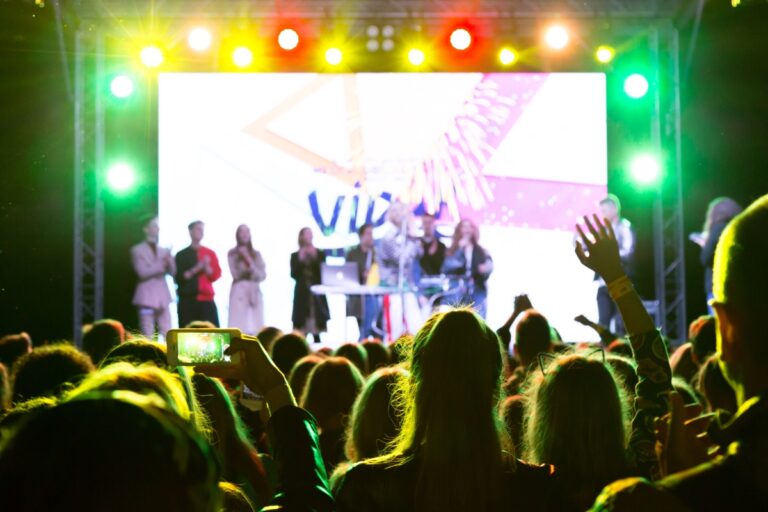
If you’re hosting a black-tie awards gala, a hyperactive digital wall with flashing graphics doesn’t elevate the moment—it cheapens it. If it’s a high-energy product launch or kickoff rally, sure, let it move.
We advise planners to match their content rhythm to the tone of the evening. A formal event? Subtle animation, elegant transitions. A tech summit? High-impact motion, sharp reveals.
Every LED wall should feel like it belongs in the room—not just that it fits.
Conclusion
LED walls are incredibly powerful tools—but like any tool, they work best when you know what you’re building. At Showorks Audio-Visual, we help clients make strategic decisions about how their wall fits into the larger story of the event—not just how big it is.
If you’re designing a stage and wondering how to incorporate an LED wall without letting it dominate the room, we’re here to help you do it the right way: intentionally, beautifully, and without compromise.