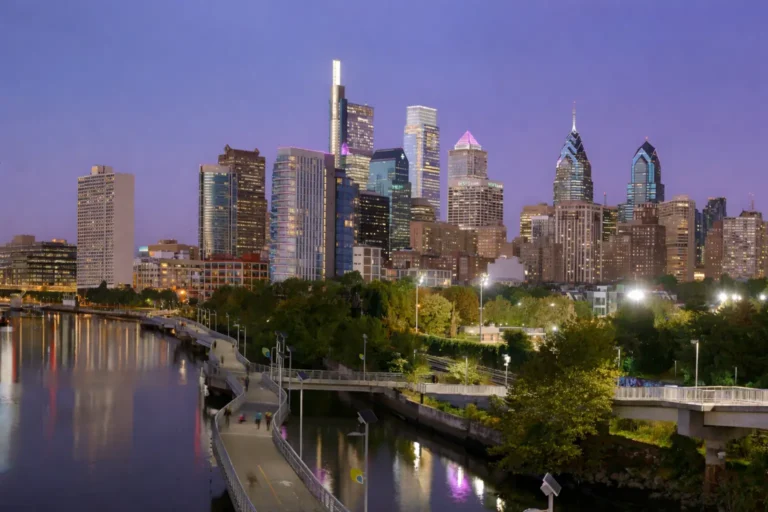

When FIFA World Cup 2026 comes to Philadelphia, the matches at Lincoln Financial Field will be the center of attention. But they won’t be the whole story.
Across the city, there will be watch parties, brand activations, hospitality spaces, and community gatherings happening at the same time. Parks, breweries, event venues, and public spaces will all become part of the experience. For most people in the city, that’s where they’ll actually engage with the tournament. And in all of those environments, the experience depends on how well the production is handled.
It’s easy to think of these setups as simple; put up a screen, run some audio, and let the match carry the energy. In reality, it’s more involved than that. Outdoor spaces come with daylight challenges, weather variables, and sound that needs to carry without becoming overwhelming. Indoor venues each have their own limitations. Timing matters, transitions matter, and the logistics matter.
When it’s done right, people don’t think about the production. They’re just in it. They can see the match clearly, hear every call, and feel connected to the crowd around them. That’s what turns a gathering into something memorable.
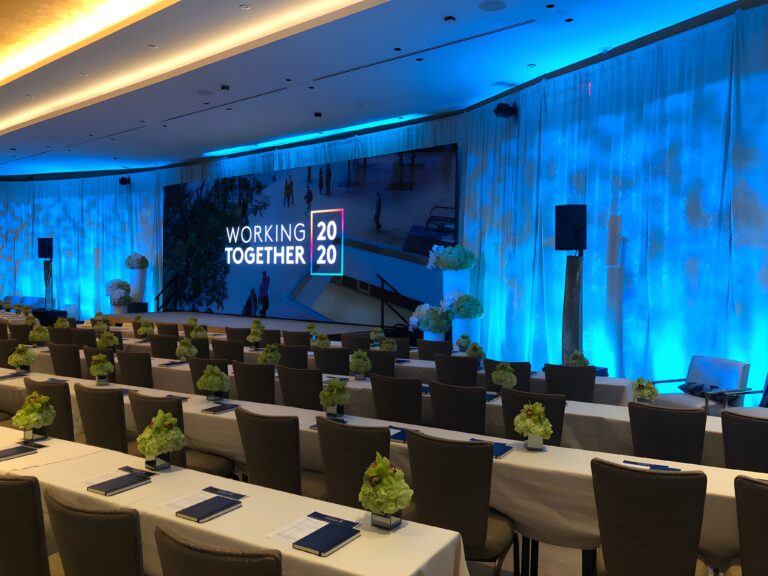
FIFA brings a different level of expectation. What might feel like a strong setup for a typical event becomes the baseline here. Large-format video, clear and consistent audio, and lighting that supports the environment instead of competing with it all need to work together. And they need to hold up across long days, changing conditions, and large, unpredictable crowds.
There’s also another layer to it. Many of these events aren’t just about the match but they’re tied to brands, sponsors, and organizations that are using the moment to connect with their audience. That means the production has to support more than just viewing. It has to handle presentations, content, and transitions without slowing things down.
That’s where preparation shows up. Every venue is different. Some spaces look great but are difficult to work in. Others are flexible but require more structure to keep things controlled. Planning for those realities ahead of time is what keeps things moving when the event is live.
From a production standpoint, events like this aren’t about doing something flashy for the sake of it. They’re about building systems that work and setups that are clear, reliable, and adaptable. The goal is consistency across different environments so that whether someone is watching in a large public space or a smaller venue, the experience still feels intentional.
Philadelphia is well positioned for it. The city has grown since the last time it hosted something of this scale. Venues are more connected, infrastructure is stronger, and there’s a real opportunity to create something that reflects how far both the city and the industry have come.
Over the next two years, there’s time to think through how these events should be built. Not just what they look like, but how they run. The details that seem small early on tend to be the ones that matter most once everything is live.
For anyone planning something around FIFA 2026, whether it’s a large activation, a hospitality environment, or a community event, the work starts now. The earlier the planning happens, the more control there is over how the experience comes together.
When it’s done right, people will remember how it felt to be there.